Book and Flower: A Designer’s Review for Small Business Merch
First Impression: Warmth, Learning, and a Touch of Nostalgia
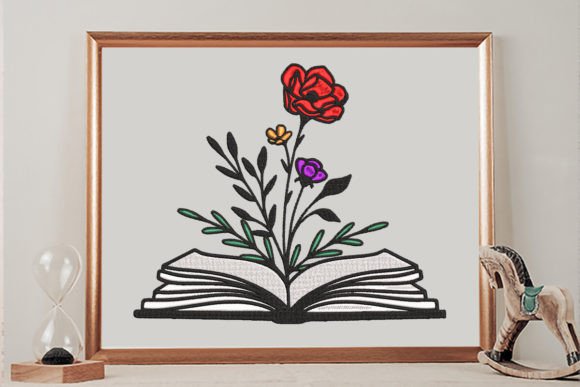
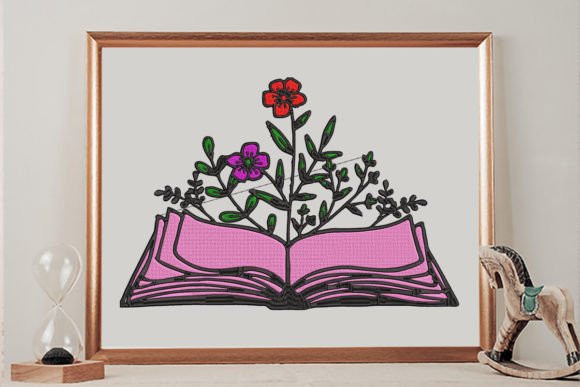
When I first opened the Book and Flower machine embroidery design, I immediately felt a sense of quiet charm. It’s not loud or overly trendy—instead, it carries a friendly, handmade warmth that would feel right at home on a cozy bookstore tote, a teacher’s apron, or a boutique’s branded patch. The pairing of a book and a bloom suggests storytelling, growth, and a gentle creative spirit. For small businesses that want to communicate care, curiosity, and a personal touch, this design reads as both playful and classic.
The composition likely balances the organic curves of the flower with the structured shape of the book, which gives the embroidery file a versatile visual weight. It could lean rustic if stitched in earthy thread colors, or feel more modern and crisp with a minimalist palette. As a digital embroidery file, Book and Flower offers a lot of room for branding interpretation—exactly what a small business owner needs when building a recognizable brand identity.
How Book and Flower Performs in Real Business Use
I always test a design mentally by placing it on real merchandise scenarios. Here’s where Book and Flower shines:
Embroidered Patches for Boutique Merchandise
As an embroidered patch, this design holds its own. The book’s clean lines can frame the flower beautifully, and the floral element softens the motif so it doesn’t look too rigid. I’d recommend this for a café, florist, or craft studio that sells patches as add‑on items. Sewn onto a denim jacket or a canvas tote, it becomes a walking advertisement. Design assets like this are perfect for Etsy branding—listings that show a tidy, appealing patch often get more engagement.
Staff Uniforms and Aprons
For a bakery, a small bookstore, or a handmade shop, Book and Flower works beautifully as a left‑chest accent on a work shirt or as a central motif on a full‑bib apron. Apron embroidery needs to be readable at a glance, and this design’s theme is instantly understandable. It tells your customer, “We care about the little details.” I’ve seen similar designs elevate a simple uniform into something that sparks conversation and builds customer trust.
Caps and Headwear
Cap embroidery is tricky because of the curved surface and the risk of distortion. The Book and Flower design, depending on its exact shape, could work well on a structured cap front if the book is oriented horizontally and the flower doesn’t extend too far into the curved edges. I’d test it on a medium‑profile cap first. For a school‑themed merch line—think a campus bookstore or a back‑to‑school collection—this design on a cap would sell well to students and teachers alike.
Tote Bags and Customer Gifts
A tote bag design is where Book and Flower truly feels at home. The description mentions pillows, tote bags, and jackets, and I agree. A sturdy canvas tote with this embroidery becomes a reusable, stylish statement. Use it as a finished product to sell directly, or as a free gift with purchase to reinforce brand identity. The versatility of this design allows you to create a consistent look across small business merch—matching tote, apron, and patch sets are a smart upsell.
Product Packaging Accents and Event Merch
Slip a small embroidered hangtag or a fabric label featuring Book and Flower into your product packaging. It instantly raises product value and handmade presentation. For pop‑up markets or craft fairs, having a few framed artwork pieces (as the description suggests) or embroidered journals can draw people in. Custom apparel with this design works as limited‑edition event merch because the book‑and‑flower theme is universally appealing and doesn’t lock you into a single niche.
Where to Use Book and Flower Carefully
Every design has a few stretching points. With Book and Flower, I’d advise caution in these scenarios:
- Very small patch sizes: If the file contains fine details between the flower petals or tiny book pages, reducing it below 2 inches may cause thread blobbing. Always do a small‑size test stitch first.
- Cap fronts with steep curves: The design should be positioned lower on the cap face to avoid the top seam. If the flower stem is thin, it might bend strangely. A mockup on a real cap is a must.
- High stitch density on lightweight fabrics: On thin t‑shirts or silk, the dense stitching of a book outline could pull. Use a proper stabilizer and consider a lighter stitch count if the file allows.
- Dark uniforms: The design’s charm relies on contrast. If the book is outlined in a single color, ensure that color pops against dark fabric. Test on black and navy swatches.
- Frequent washing: For aprons or work shirts that go through heavy industrial laundry, check that the stitch density and thread quality hold up. A satin stitch border on the book might wear faster than a fill stitch.
Brand Identity and Customer Perception
When you embroider a logo‑style motif on your merchandise, you’re not just decorating—you’re communicating values. Book and Flower tells a story of thoughtfulness, nature, and literacy. It positions your small business as approachable, intelligent, and slightly whimsical. I’ve seen many brands use generic floral designs, but a book adds a unique differentiator that works for a School‑related business, a teacher’s brand, a florist, or even a pet brand that wants a “cozy reading nook” vibe.
Brand recognition grows when customers see the same thoughtful design across your tote bags, patches, and social media. Use a printable mockup to show the design in context before you even stitch, and you’ll get better buyer engagement online. Visual consistency is key—if you already use floral or book imagery in your logo, this embroidery file ties everything together seamlessly.
Practical Embroidery Designer Notes
Before you load Book and Flower into your machine, I recommend these steps based on years of commercial embroidery work:
- Test in black and white first. A monochrome sample reveals any design flaws, spacing issues, or weak outlines. If it reads well in black, it will look great in color.
- Check small patch viability. Shrink the file in your software to the smallest size you’d use (e.g., 2.5” wide) and run a stitch simulation. Look for thread breaks or merged details.
- Review thread color contrast. The flower against the book needs clear separation. If the design uses similar shades, adjust the thread colors to create enough pop.
- Inspect spacing and lettering. If the design includes any tiny text (like a book title), be extra cautious—it may not stitch cleanly at small sizes. Consider removing or simplifying it.
- Confirm your hoop size. Without exact specs from the supplier, measure the design’s dimensions in your software. Make sure it fits comfortably in your most common hoops with at least half an inch of clearance.
- Test on real fabric. Don’t rely on digital previews. Stitch on the exact fabric texture you’ll use—canvas, denim, cotton twill—with the same stabilizer and backing. This reveals registration issues.
- Create a mockup for client approval. A printable mockup on a tote bag or cap photo helps your client visualize the final product. It’s a small step that prevents rework.
- Compare with other design assets. If you’re building a collection of custom apparel files, Book and Flower should sit well alongside your other motifs. Consistency in style builds a stronger brand identity.
- Confirm commercial licensing. The product description doesn’t specify the license, so always check with the seller. You need a clear commercial embroidery license to use this design on items you sell. Never assume personal use covers small business merch.
Final Thoughts on Book and Flower for Your Embroidery Business
Book and Flower isn’t just a pretty design; it’s a strategic tool for any embroidery shop or handmade brand that wants to add a friendly, literary touch to its merchandise. Whether you’re stitching patches for a teacher’s lounge, creating branded aprons for a café, or launching a line of handmade product accessories, this machine embroidery design delivers heart and versatility. Just remember to test thoroughly, scale thoughtfully, and let the design carry your brand’s story forward.